Reading the Tides: An Angler’s Guide to Signal Integrity on the Water
Imagine this: an angler heads out to a well-known point in the Louisiana marsh and has an epic day, catching redfish until their arms ache. The next day, their friend fishes the exact same spot with the same fly and gets skunked. The only difference? The tide. The water is in a constant state of flux, sending out a stream of signals about bait movement, predator location, and prime feeding windows. An angler’s success hinges on their “Signal Integrity”—their ability to receive, interpret, and act on these signals correctly. While in the tech world, signal integrity is about the quality of an electronic signal, for an angler, it’s about the clarity with which they understand the language of the water.
Here at South Louisiana Fly Fishing, we’ve spent decades navigating these marshes, and we know that consistent success isn’t about luck; it’s about listening to what the water is telling you. We believe that understanding the environment is the most critical skill an angler can possess. This guide is our way of sharing that expertise, helping you move from simply looking at a tide chart to truly reading the tides. This post will break down how to interpret the tide’s language to dramatically improve your catch rate and your overall connection to the ecosystem.
Key Takeaways
- Tidal flow, not just water height, is the primary driver of feeding activity in coastal fish.
- The most productive fishing windows are almost always during periods of moving water, whether it’s an incoming or outgoing tide.
- A tide chart is a forecast; you must learn to read the actual water in front of you—observing current seams, eddies, and bait activity—to find fish.
- In South Louisiana, a falling tide draining a marsh is one of the most powerful feeding signals for redfish and other predators.
- Combining tidal knowledge with an understanding of structure (oyster bars, points, drains) is the key to unlocking consistent success.
TL;DR
For anglers, “Signal Integrity” means understanding that moving water acts like a conveyor belt for bait, which triggers fish to feed. The best fishing is during an incoming or outgoing tide, not at the high or low slack points. By learning to read how this moving water interacts with structures like marsh drains and points, you can accurately predict where fish will be and when they will be active.
Mastering the Tidal Cycle is the Foundational Skill for Consistent Success
Mastering the tidal cycle is the foundational skill that separates consistently successful anglers from those who rely on luck. It’s the baseline rhythm of the coastal ecosystem, dictating where fish will be and when they will feed.
What is a Tide? The Gravitational Dance
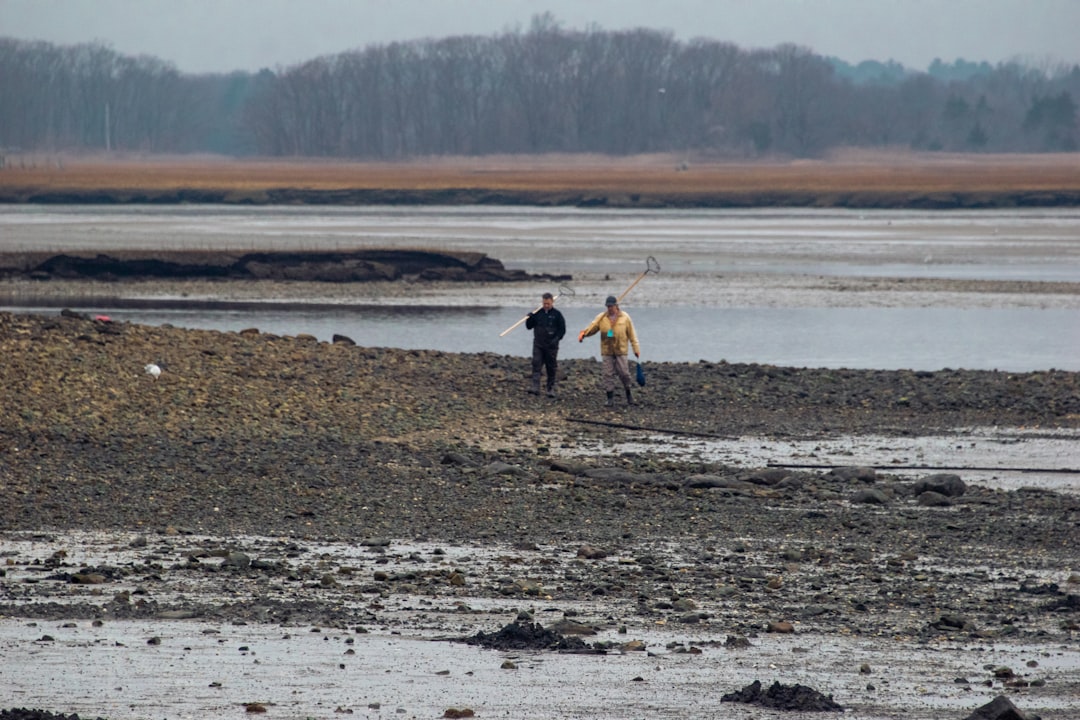
At its core, a tide is the result of a massive gravitational dance. The moon, and to a lesser extent the sun, exert a powerful gravitational pull on the Earth. This pull is strong enough to create bulges in the planet’s oceans. As the Earth rotates, coastal areas move into and out of these bulges, causing the sea level to rise (high tide) and fall (low tide). According to the National Oceanic and Atmospheric Administration (NOAA), this gravitational force is the primary driver of the predictable, twice-daily cycle of tides experienced in most coastal areas.
High vs. Low Tide: It’s More Than Just Water Level
For an angler, the height of the water is a critical piece of information that dictates access and fish location.
- High Tide: When the water is high, fish can push into areas that are otherwise inaccessible. This includes shallow grass flats, the interior of marsh ponds, and mangrove shorelines. Predators follow the bait into these newly flooded zones, creating opportunities for sight-fishing in skinny water.
- Low Tide: As the water recedes, fish are forced to evacuate the shallows. They retreat to the safety of deeper channels, drains, and holes. This concentrates fish into more predictable locations, making them easier to target if you know where these deeper spots are.
Spring Tides vs. Neap Tides: Understanding the Extremes
Not all tides are created equal. The intensity of the tidal flow is determined by the alignment of the sun and moon.
- Spring Tides: These occur during the new moon and full moon when the sun, moon, and Earth are aligned. Their combined gravitational pull creates stronger tides, resulting in higher high tides and lower low tides. This means faster currents and more dramatic water level changes.
- Neap Tides: These happen during the first and third quarter moons when the sun and moon are at a right angle to each other. Their gravitational forces partially cancel each other out, leading to weaker tides with less water movement and a smaller tidal range.
Why does this matter? Stronger spring tides often create more pronounced feeding windows because the faster current moves more bait, forcing predators to react.
| Tide Type | Moon Phase | Water Movement | Fishing Implication |
|---|---|---|---|
| Spring Tide | New & Full Moon | Strong & Fast | Intense, but shorter feeding windows. |
| Neap Tide | Quarter Moons | Weak & Slow | Less defined feeding periods; fish may be more scattered. |
The Most Productive Fishing Occurs During Moving Water
The most productive fishing often occurs during moving water, as tidal flow acts as a conveyor belt for bait, triggering predatory fish to feed. A static body of water offers little incentive for predators to expend energy, but once the current starts moving, the dinner table is set.
The Incoming (Flood) Tide: Pushing New Opportunities Inshore
As the tide begins to rise, it pushes clean, cool, and oxygenated water in from the ocean. This rising water acts as a signal for baitfish to move onto shallow flats and into the marsh to feed. Predators are never far behind. Anglers should focus their attention on the leading edge of this rising water, targeting the mouths of bays, newly flooded shorelines, and points where fish will stage to intercept incoming bait.
The Outgoing (Ebb) Tide: The Marsh’s Dinner Bell
In the estuaries of South Louisiana, the outgoing tide is often considered the main event. As the water level drops, it begins to pour out of the vast marsh system, flushing out a buffet of shrimp, crabs, and small baitfish that were hiding in the grass. This is the signal that predators like redfish have been waiting for. They position themselves at key ambush points—like the mouths of small drains, cuts in the shoreline, and deeper channel edges—to intercept this easy meal. For guides at South Louisiana Fly Fishing, a falling tide is a high-confidence signal to target these specific choke points.
The Dreaded Slack Tide: When the Conveyor Belt Stops
Slack Tide: The period of minimal water movement that occurs at the peak of high tide and the bottom of low tide.
When the current stops, the conveyor belt of bait shuts down. This often causes the bite to slow down or stop completely. Fish that were actively feeding along current seams may disperse or move to deeper, more comfortable water to wait for the flow to resume. During slack tide, an angler must adjust their strategy. This is a good time to explore deeper holes, target suspended fish near structure, or simply take a break and re-rig for when the water starts moving again.
A Tide Chart Tells You When, But Reading the Water Tells You How
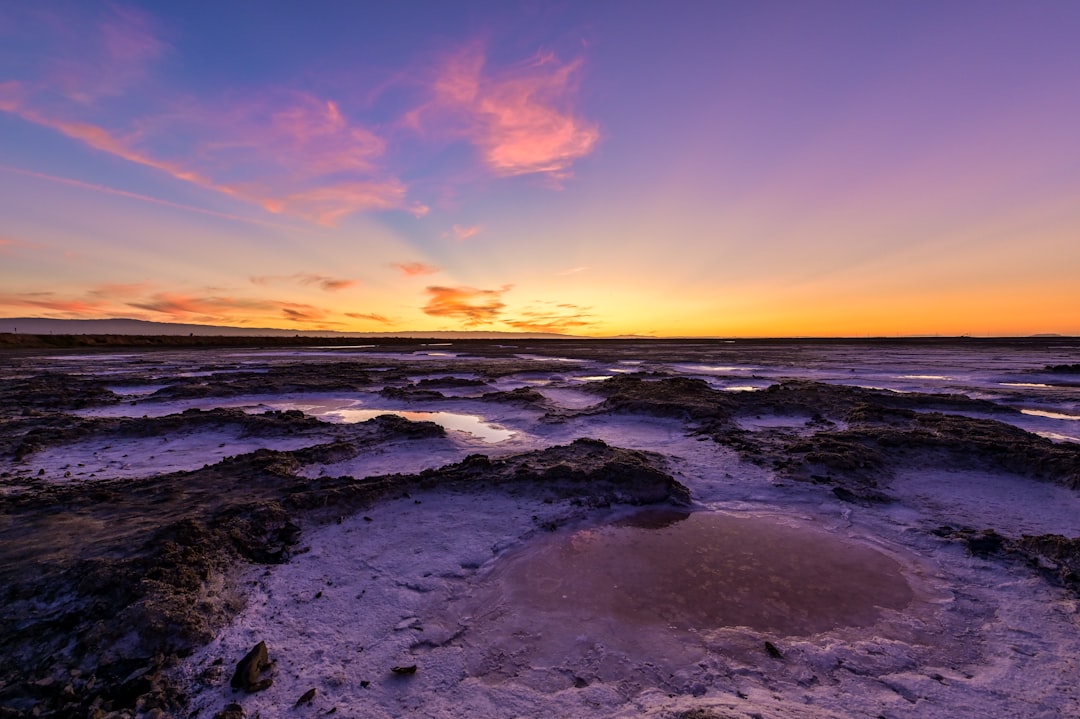
A tide chart tells you when the water will move, but reading the water in front of you tells you how and where to fish it effectively. The chart is a forecast, but the real-time conditions are the reality.
Finding Current Seams: The Buffet Line for Predators
A current seam is the visible line where fast-moving water meets slower-moving water. This often occurs along points, behind oyster bars, or where two channels converge. Predators love to hold in the slower water right next to the seam, allowing them to dart out into the fast current to grab passing bait without expending much energy. Learning to spot these subtle lines on the water’s surface is like finding a neon sign that says, “Fish Here.”
Reading “Nervous Water” and Spotting Bait
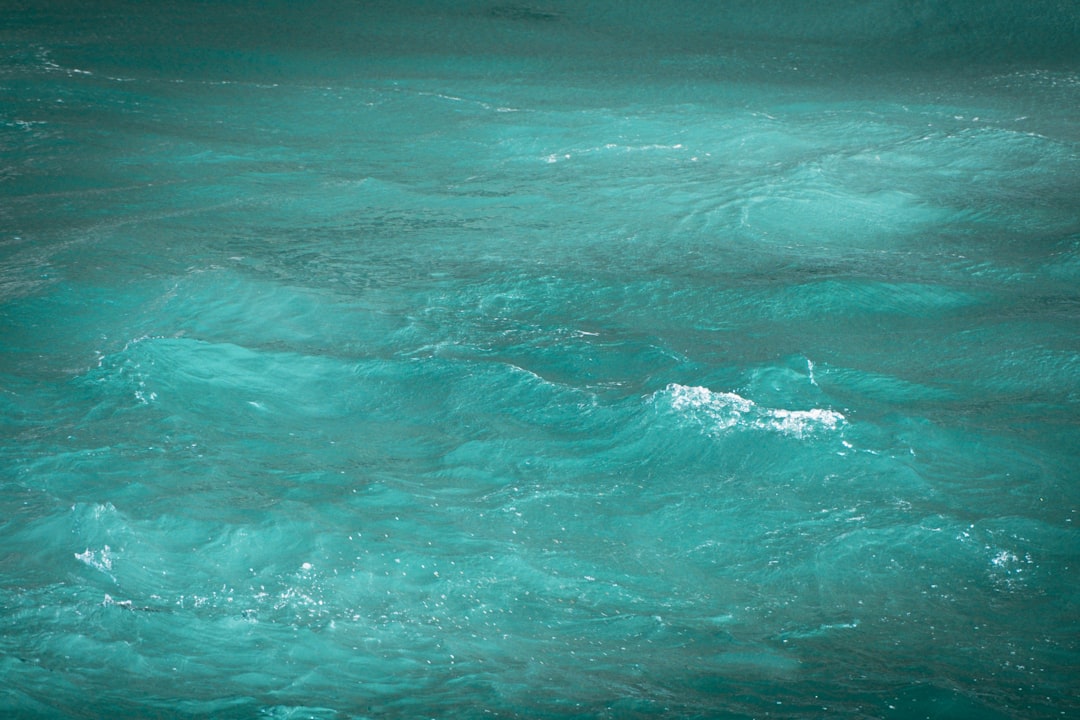
Moving water pushes schools of baitfish. As these schools are forced along by the current, they create subtle disturbances on the surface. This “nervous water” can look like a slight shimmer, a patch of tiny ripples against the main current, or even small splashes. Spotting this is a direct confirmation that the tide is doing its job of concentrating food. Where you find bait being pushed by the current, you will almost certainly find gamefish nearby.
The Wind’s Influence: The Great Tidal Modifier
Wind is the one factor that can throw a perfect tidal prediction completely off. A strong onshore wind can push more water in, causing a high tide to be higher and last longer than predicted. Conversely, a stiff offshore wind can blow water out of a bay, effectively negating an incoming tide or accelerating an outgoing one. This is why on-the-water observation is paramount. You must trust your eyes over a blind faith in an app. If the chart says the tide should be falling but a 20-knot wind is pushing water against the shore, the water in front of you is the truth.
Applying Tidal Knowledge in South Louisiana
Applying tidal knowledge to specific South Louisiana structures is how local guides at South Louisiana Fly Fishing consistently put clients on fish. It’s about layering the science of tides with an intimate understanding of the local geography. Learning from our team of experts means learning these specific patterns.
Strategy 1: Fishing Marsh Drains on a Falling Tide
This is the classic, can’t-miss Louisiana redfish pattern. As the tide falls, countless small ponds and backwaters within the marsh begin to drain through small cuts and channels.
- Positioning: Position your boat downstream and to the side of a draining cut, staying far enough away not to spook the fish.
- Observation: Watch the outflow for signs of bait (shrimp popping, minnows scattering).
- The Cast: Cast your fly or lure into the mouth of the drain and let the current sweep it out naturally into the deeper water where redfish, speckled trout, and flounder are waiting to ambush it.
Strategy 2: Targeting Oyster Bars with Moving Current
Oyster bars are living structures that create current breaks and feeding lanes. The irregular shape of the bar disrupts the water flow, creating eddies and seams on the down-current side. This is the sweet spot. Fish will stack up behind the bar, using it as a shield from the main current while waiting for food to be washed over and around it. Cast your fly to the up-current side of the bar and let it drift naturally over the structure into the strike zone.
Strategy 3: Using Points and Passes as Funnels
Major points of land and deep passes between islands act as natural funnels. All the water moving in or out of a large bay has to squeeze through these narrow areas. This concentrates the tidal flow, creating faster currents and concentrating the baitfish that are being moved by it. Positioning your boat on the down-current side of a point allows you to cast into the “seam” and present your fly to the large number of fish that use these areas as primary feeding stations.
Leveraging Tools Without Losing Your Instincts
Leveraging modern tools can significantly improve your ability to predict and interpret tidal patterns, but they are no substitute for on-the-water observation.
Our Go-To Apps and Websites for Tide Prediction
A reliable tide app is an essential tool for planning any coastal fishing trip. We recommend having at least two sources to cross-reference.
- NOAA Tides & Currents: This is the official source. While the interface can be basic, the data is the most accurate available for U.S. waters. Look for the tidal range (the difference between high and low) and the times of peak flow.
- Tides Near Me: A popular, user-friendly app that provides charts, solunar data, and weather forecasts in one place. It’s excellent for getting a quick, visual overview of the day’s tidal movement.
Beyond the Chart: Keeping a Personal Fishing Log
The single most powerful predictive tool an angler can possess is a personal fishing log. After every trip, take five minutes to jot down the date, location, tide phase (e.g., “last two hours of falling”), wind direction and speed, and your results. Over time, this data will reveal patterns specific to your local waters that no chart can provide. Reviewing our past fishing reports and learning more about our general approach to the marsh can supplement your own findings. This personal database becomes your ultimate guide to understanding how your fishery breathes.
From Charts to Catches
Improving your angling “Signal Integrity” is about layering knowledge. It begins with the forecast—the tide chart—which gives you a plan for the day. Next, you add the science: an understanding of how moving water influences bait and predators. Finally, and most importantly, you confirm and refine that plan with your own eyes by reading the water. This is the process every expert angler follows, and it’s the core philosophy we practice and teach on every trip at South Louisiana Fly Fishing. It transforms fishing from a game of chance into a thoughtful pursuit where every cast is made with purpose.